
Soft Washing
The Power Of Chemical Soft Washing
Soft Washing often comes during a pressure washing service however it is also an alternative way of cleaning to pressure washing as a whole. Some surfaces are simply unsuitable for pressure washing or in some cases better results are be achieved with soft washing methods.

Using our extensive knowledge on chemicals and not only how to apply but also how long to let them dwell for we can bring about gleaming results whilst taking great care of the surface.
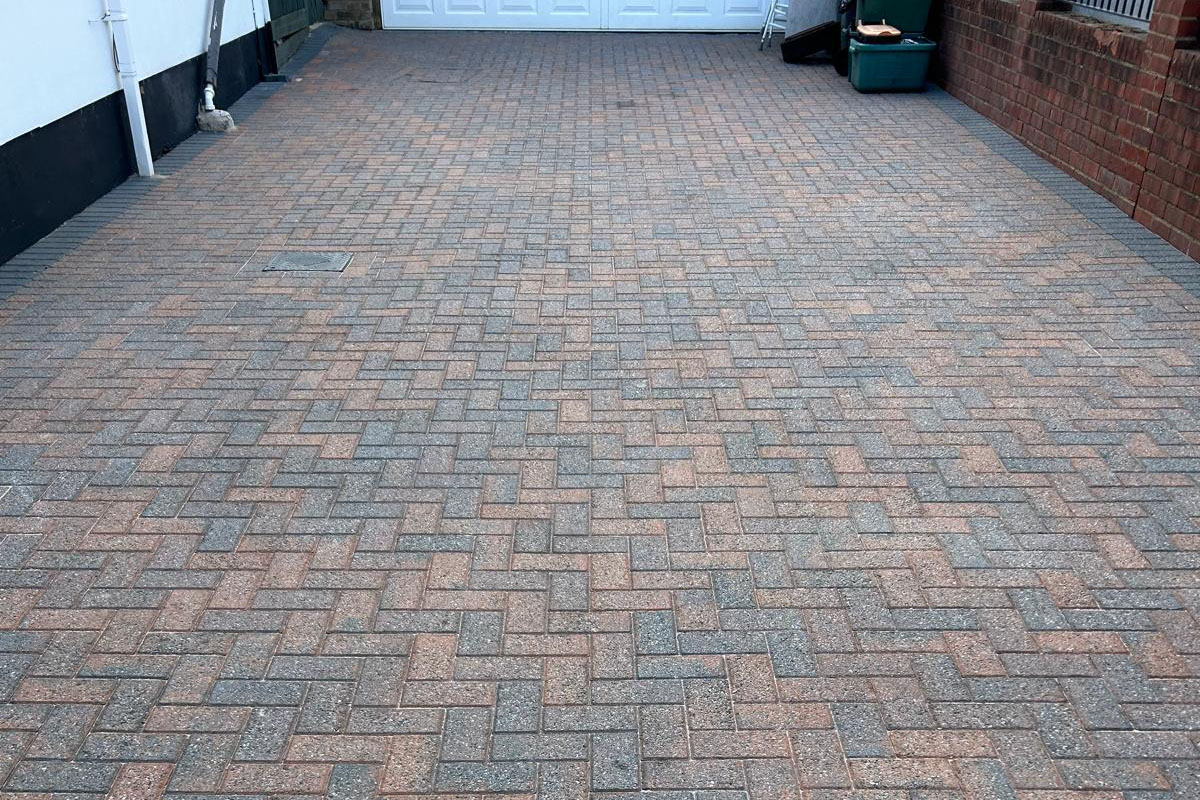
With an arsenal of carefully selected chemicals suited for a variety of surfaces we will choose the appropriate ones to aid us in our efforts to clean a surface. A great example of where chemicals make an impact is during a patio or driveway clean. Even after a pass with our pressure washer it is not uncommon to see “black spots” left on the surface, these are black lichen spots that have grown into the stone. Using the correct chemical we are able to remove these safely and efficiently leaving a spotless result!
With the use of chemicals we can safely and effectively remove
- Oil stains
- Rust stains
- Lichens including “black spot”
- Moss
- Grease & fats
- Limescale, salt deposits & efflorescence
- Carbon staining
- Paint & graffiti
And much more!
Lilypad Exterior Cleaning – Soft Washing FAQs
Soft washing is simply cleaning with the use of chemicals and low-pressure methods. An example would be using soft washing chemicals to treat and kill lichen and algae stains on render, usually followed by low pressure washing the surface to remove the dead biofilm instead of just using high pressure fan jets to wash the lichen and algae off as this would cause damage to the render and leave pressure stripes in the render once dry.
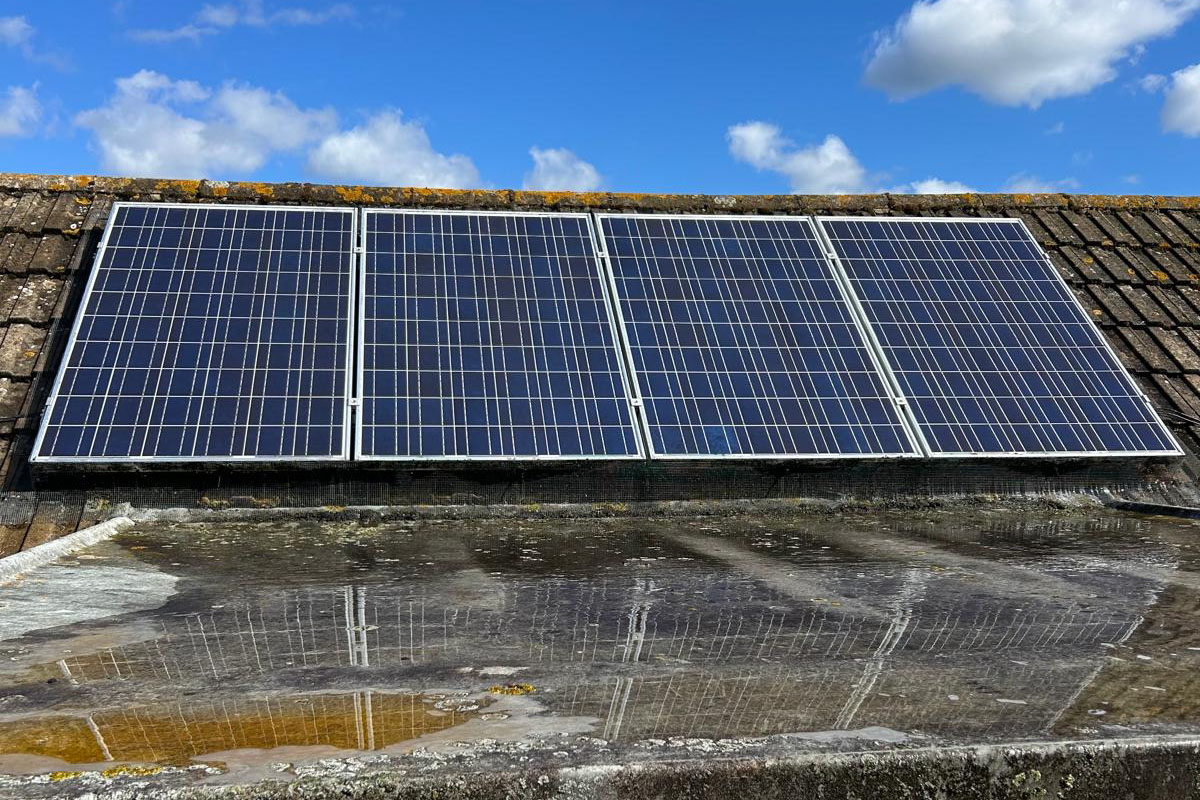
Yes if the chemicals are applied professionally following the manufacturer’s instructions on dilution levels, methods of application and what surfaces are safe to use said chemical on. An experienced professional should always be used for this sort of work otherwise unwanted damage can be cause to your property, for example spraying chemicals on a windy day rather than brushing it on causing overspray to other areas of the property where damage could be made. Another example is using soft washing chemicals on a solar panel on a hot day and leaving the chemical to dry resulting in a streaky finish to the surface of the panel.
Whilst the chemical is active yes almost all the chemicals that are used will be harmful in some way, whether inhaled, ingested, skin irritant etc. However this is why using a professional is so important as we have methods and procedures in place that we follow to avoid harm coming to pets and plants. For example we can control where the chemical run off may go too or where there is a potential for overspray, we will ensure plants are well watered before, during and after the chemical is applied, this is to ensure the plants are not “thirsty” in which case they would draw in the chemical causing itself harm. We will also ensure the areas chemicals are being used are made known to anyone on site and before we leave all chemicals applied will be thoroughly rinsed down and washed away to ensure a safe environment for pets.
So yes the chemicals used can be harmful to pets and plants but only if they are not respected and a lack of care is used when dealing with them. If done professionally, following COSHH regulations and assessments along with strict methods and procedures being followed then the risk to plant and pet life is no longer a concern and you can be happy knowing your pets and plants are safe without harm.
For the most part no it is not ideal to use soft washing chemicals if a pond is present near the area to be cleaned especially if it is in ground as chemical runoff can be very difficult to control at times, almost all the chemicals used I soft washing have harmful long-lasting affects in waterways. There are other methods of cleaning that can be used to get similar results to what chemicals achieve, this is where steam cleaning can be very useful as it just uses normal water that is simply heated with a diesel boiler. All this being said we do work closely with our chemical supplier who do offer a completely ecofriendly, wildlife and pond safe chemical which does achieve adequate results in most cases.
A good portion of the chemicals we use are biodegradable and break down with simple UV exposure from the Sun along with oxidizing from being in contact with the air. Those that do neither of these are water soluble and once rinsed down are diluted to a concentration that is no longer harmful to the environment. In the case of chemical spills we always carry chemical spill kits on the van to absorb any spilt chemical.
In most cases we often mix the two methods of cleaning, using high pressure washing to clean the majority of the dirt from a surface followed by a chemical soft wash to kill organics or to lift stains etc. However soft washing will often be chosen as the sole method of cleaning, this is usually in the case where surfaces are fragile by nature, age or weathered, pressure sensitive or there is a reason for why the use of a pressure washer is restricted. The ideal surfaces for soft washing would be brickwork, render, limestone, canopies made of fabric like materials and many more.
The quick answer to this is no you don’t, there is no such license that exists. However, to purchase the chemicals you will be asked to prove your intended use of the chemical and that it will only be used in a professional manner under a business. Along with this to abide by HSE regulations, the chemicals must be used within their label compliance i.e. a bleaching agent stating to be used for exterior cleaning to then be used for exactly that and nothing else. So no there is no license however they are controlled substances that are not readily available to the public and will only be sold to professionals.
On the day of cleaning we will decide on the method of application unless it is already planned. The primary factor that determines how we apply a chemical is solely focused on safety. If we plan to spray the chemical we must determine where any potential overspray may reach and if this poses a threat to members of the public passing by, local flora and fauna and waterways etc. We will also check the weather and if the day of cleaning has strong winds, then we will again have to consider the potential of overspray. If applying the chemicals via spraying is determined not to be the best option, then we can use out chemical backpacks with our water fed poles and brush to brush the chemicals onto the surfaces. This mitigates all risks of potential overspray.
The weather is a big factor to the outcome of a chemical soft wash. If it is a hot summers day a chemical may not have enough time for its desired dwelling time before evaporating or decaying from UV exposure. With that we also need to bear in mind some chemicals should not be left to dry as they can cause streaking on the surface. Another weather condition we need to be mindful of is whether it is too cold. Like all chemical reactions, the warmer the temperature the faster the reaction and in our case the more effective a chemical is. When the temperatures drop to low single digits in the winter periods the majority of the chemicals we use will simply not work so these jobs will need to be rescheduled to a warmer day. And lastly an obvious weather conditions that we do unfortunately have a lot of here in the UK is rain. If it is forecasted to rain we have to take into consideration the strengths of the dilution rates we mix chemicals up too to either counter balance the fact light rain will dilute an applied chemical or in worse cases heavy rain will completely wash away the chemicals causing us to need to wait for the rain to pass or reschedule the job to a dry day.